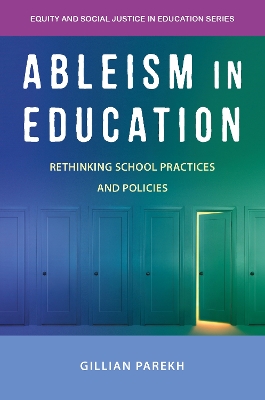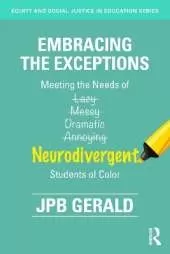

How we organize children by ability in schools is often rooted in ableism.
Ability is so central to schooling—where we explicitly and continuously shape, assess, measure, and report on students’ abilities—that ability-based decisions often appear logical and natural. However, how schools respond to ability results in very real, lifelong social and economic consequences. Special education and academic streaming (or tracking) are two of the most prominent ability-based strategies public schools use to organize student learning. Both have had a long and complicated relationship with gender, race, and class.
In this down-to-earth guide, Dr. Gillian Parekh unpacks the realities of how ability and disability play out within schooling, including insights from students, teachers, and administrators about the barriers faced by students on the basis of ability. From the challenges with ability testing to gifted programs to the disability rights movement, Parekh shows how ableism is inextricably linked to other forms of bias. Her book is a powerful tool for educators committed to justice-seeking practices in schools.
 Kids will love this hilarious fairy tale adventure packed with clever twists, familiar characters and page-turning fun.
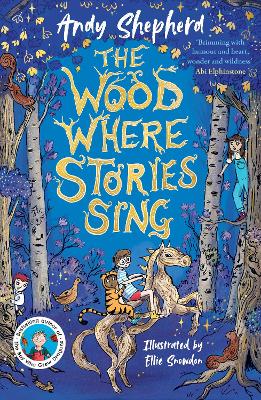 The second book in a fabulous new magical, middle-grade series filled with adventure, wonder and wildness,
This is Book 5 in the Equity and Social Justice in Education Series Series. See all Equity and Social Justice in Education Series books here.
See More Educational material
No one has written a review for 'Ableism in Education: Rethinking School Practices and Policies'
Why not be the first to share your opinion?