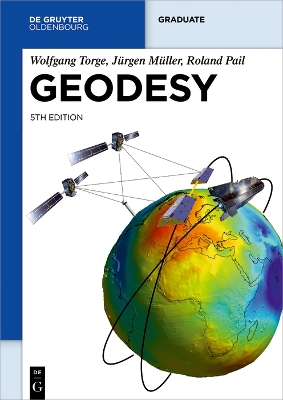

The fifth edition of this textbook has been completely revised and significantly extended in order to reflect the revolution of geodetic technologies, methods and applications during the last decade. The Global Geodetic Observing System established by the IAG utilizes a variety of techniques to determine the geometric shape of the earth and its kinematics, the variations of earth rotation, and the earth’s gravity field. The societal importance of geodetic products was highlighted by the UN resolution on the Global Geodetic Reference Frame. In this context, both space and terrestrial techniques play a fundamental role. Recent space missions are monitoring climate-relevant processes such as mass transport in the Earth system and sea level changes. The analysis of the time variation of the geodetic products provides the link to neighboring geosciences and contributes to proper modelling of geodynamic processes. New satellite mission concepts and novel technologies such as quantum gravimetry and optical clocks show great potential to further improve the geodetic observing system in the future. The book especially addresses graduate students in the fields of geodesy, geophysics, surveying engineering, geomatics, and space navigation. It should also serve as a reference for geoscientists and engineers facing geodetic problems in their professional work. The book follows the principal directions of geodesy, providing the theoretical background as well as the principles of measurement and evaluation methods, which is enriched with numerous figures. An extensive reference list supports further studies.
 Kids will love this hilarious fairy tale adventure packed with clever twists, familiar characters and page-turning fun.
 The second book in a fabulous new magical, middle-grade series filled with adventure, wonder and wildness,
This is Book 3 in the De Gruyter Textbook Series. See all De Gruyter Textbook books here.
No one has written a review for 'Geodesy'
Why not be the first to share your opinion?